

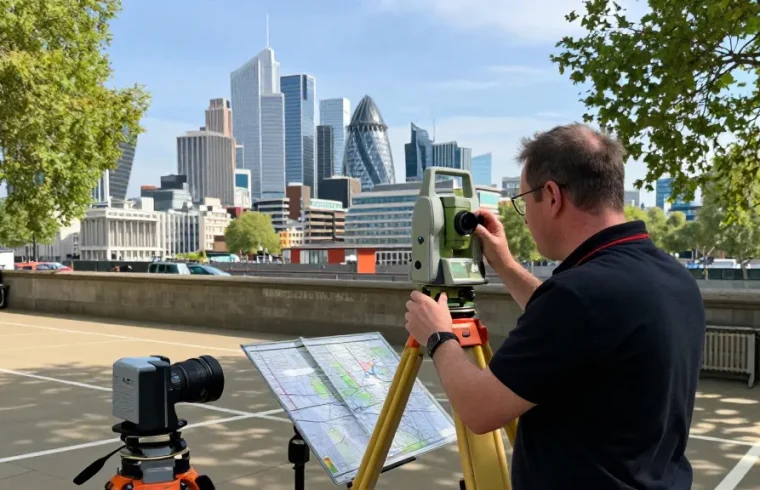
Understanding the Importance of Topographical Surveys in London
When embarking on any construction, land development, or infrastructure project, understanding the topography of the land is paramount. A topographical survey acts as a blueprint, revealing the natural and man-made features of a site, which aids architects and engineers in making informed decisions. In London, where urban density and planning regulations are particularly stringent, having accurate and detailed information is crucial. A well-executed survey not only facilitates smooth project execution but also ensures compliance with local planning regulations.
For comprehensive insights into the available options and services, Topographical surveys london offers tailored solutions that meet specific project needs.
What is a Topographical Survey?
A topographical survey (also known as a terrain survey, land survey, or topo survey) is a detailed and precise mapping of a parcel of land, marking out both physical and topographical features. These surveys typically capture the following elements:
- Elevation changes
- Tree locations and sizes
- Body of water outlines
- Boundaries of the property
- Infrastructure such as roads, fences, and buildings
The resulting map provides vital information for various stakeholders, including architects, engineers, and land developers, enabling them to visualize the site and plan their projects effectively.
Key Benefits of Topographical Surveys
Topographical surveys offer numerous benefits that contribute to the efficiency and success of construction projects:
- Accurate Planning and Design: These surveys enable precise design aligned with the terrain, aiding in the construction of roads, drainage systems, and structures that fit well within the environment.
- Identify Constraints and Hazards: By highlighting features such as elevation changes and unstable ground, topographical surveys allow for better risk management and site safety.
- Support for Planning Applications: Local authorities often mandate these surveys as part of planning applications, ensuring that developments comply with regulations.
- Prevent Costly Errors: Reliable data helps mitigate the risks of costly reworks or legal disputes stemming from inaccurate site information.
- Property Boundary Clarity: They clarify ownership lines when combined with boundary surveys, aiding in property transactions and legal documentation.
Who Requires Topographical Surveys in London?
Topographical surveys are essential across a variety of sectors, including:
- Construction Companies: For large-scale projects, accurate site data is indispensable.
- Architects and Engineers: They rely on surveys to create designs that integrate harmoniously with the site’s topography.
- Local Authorities: Often require surveys to validate planning applications and ensure compliance with regulations.
- Real Estate Developers: Use surveys to assess land usability and determine property values.
Ultimately, anyone involved in land development or construction in London will find that a topographical survey is an invaluable tool.
Essential Equipment Used in Topographical Surveys
The precision of a topographical survey largely depends on the equipment used. Engineers and surveyors utilise state-of-the-art technology to capture accurate data.
Total Station Instruments and Their Applications
Total stations are crucial for topographical surveys as they combine electronic theodolites with electronic distance measurement (EDM). This equipment allows surveyors to measure angles and distances with remarkable accuracy, making it ideal for defining site features in detail.
Additionally, total stations enhance efficiency by allowing remote data collection, which reduces the time needed in the field while improving accuracy in measurements.
Advancements in GPS Surveying Technology
Global Navigation Satellite Systems (GNSS) have revolutionised land surveying. This technology enables surveyors to achieve high levels of accuracy in position measurement, particularly in open rural sites or large construction zones. With advancements in mobile GNSS technology, data collection has become quicker and more reliable, aiding projects in keeping to timelines and budgets.
Utilising 3D Laser Scanners for Precision
3D laser scanning represents a significant technological advancement in surveying. LiDAR (Light Detection and Ranging) technology captures millions of data points per second, allowing for the creation of detailed 3D models of the surveyed terrain. This is particularly useful for complex terrain or urban environments, where conventional methods might struggle to provide clarity. The resulting 3D models are not only accurate but also provide a comprehensive view of the site for further analysis.
How to Prepare for a Topographical Survey
Preparation is essential for a successful topographical survey. Understanding the requirements and collaborating effectively with surveyors can ensure accurate and actionable results.
Information Required Before Surveying Starts
Before a survey can be conducted, certain information is typically required. This includes site boundaries, prior surveys conducted, and specific project objectives. Providing clear and precise information can help surveyors tailor their approach to your unique requirements, thereby improving the accuracy of the results.
Choosing the Right Surveying Service in London
Selecting an experienced surveying service is critical. Look for firms with proven expertise in topographical surveys and familiarisation with local regulations. Review their portfolio and customer testimonials to ensure that they can meet your project’s specific needs effectively.
Collaborating with Surveyors on Project Goals
Maintaining open lines of communication with surveyors throughout the process is invaluable. Being clear about project goals and expectations can help surveyors capture the necessary data efficiently and accurately. Regular updates and check-ins also ensure that any potential issues are addressed promptly.
Cost Factors for Topographical Surveys in London
The cost of topographical surveys can vary significantly based on project specifics, site complexity, and size. Understanding these variables can help stakeholders budget effectively.
Pricing Structures for Different Project Types
Small residential plots can generally expect to pay between £450 and £750 for a standard topographical survey. Conversely, larger commercial or infrastructure projects may range from £1,500 and upwards, depending on the site’s intricacies and the survey’s requirements. Each project is unique, and obtaining a tailored quote is essential for accurate budgeting.
Understanding the Value of Accurate Surveys
Investing in a topographical survey pays dividends in the long run. Accurate surveys lay the groundwork for effective planning and design, ultimately saving both time and money by preventing costly mistakes and ensuring compliance with regulations.
Requesting Quotes: What to Consider
When requesting quotes from surveying companies, consider what each service includes. Comprehensive services may encompass more than the basic survey, such as detailed reporting or data modelling. Understanding these offerings can help you make a better-informed decision.
Future Trends in Topographical Surveys and Planning
The surveying industry is rapidly evolving, with new technologies and methodologies emerging regularly. Staying informed about these trends is crucial for success in planning and development.
Emerging Technologies in Surveying
As surveying technology continues to advance, tools like drones for aerial surveys and augmented reality for visualising survey data are becoming commonplace. These innovations can enhance data accuracy and provide richer insights into project sites.
Impact of Urban Development on Surveying Practices
London’s ever-changing urban landscape presents new challenges and opportunities for surveyors. As buildings grow taller and areas become more densely populated, innovative surveying methods will be crucial for navigating planning regulations and ensuring project success.
Preparing for Changes in UK Planning Regulations
With ongoing changes in UK planning policies, surveyors must stay abreast of regulatory developments. Understanding these changes can help firms remain compliant and continue to deliver reliable services as regulations evolve.
What is the typical cost of a topographical survey in London?
The cost of a topographical survey in London typically ranges from £450 for smaller residential plots to over £1,500 for larger commercial projects, depending on the scope and complexity involved.
How long does a topographical survey take to complete?
The duration of a topographical survey varies based on factors such as project size and complexity. Small surveys may be completed within a few days, while larger or more complicated sites may take several weeks.
Can I combine a topographical survey with a boundary survey?
Yes, combining a topographical survey with a boundary survey is common practice. This approach provides comprehensive insights into both the topography and property lines, aiding in clearer documentation and planning.
What are the key features included in a topographical survey report?
A topographical survey report typically includes details of site features, elevation contours, boundary lines, and potential hazards. Additional data may also be included based on specific project requirements.
Do I need a topographical survey for a planning application?
In most cases, a topographical survey is required as part of the planning application process. It ensures that proposed developments align with site specifics and comply with local regulations.